Introduction
Handling peptides might seem straightforward, until it’s not. One small misstep during reconstitution can waste the entire batch. That’s why you might ask, what’s the right way to reconstitute peptides without ruining their effectiveness?
You came to the right place because this comprehensive guide breaks down the essentials so you can handle your peptides in the best way possible.
What Is Peptide Reconstitution?
Peptide reconstitution is the process of turning a lyophilized peptide, a freeze-dried peptide powder, into a liquid form using a sterile solvent. This step is important before you can use peptides.
A proper peptide reconstitution helps prevent degradation and keeps the peptide structure stable. This matters even more for sensitive compounds, like acidic peptides or cyclic peptides, which are more prone to degradation. If done correctly, it may also influence peptide bioactivity and how well the protein or other types of peptides function.
Choosing the Right Solvent for Peptides
The right solvent is a big deal, especially when it comes to maintaining your peptide integrity intact and ensuring proper dissolution. The amount of solvent you use also affects how strong your peptide is, so it’s best to use a peptide calculator to get it right.
Bacteriostatic water
This solvent has 0.9% benzyl alcohol, which helps stop bacteria from growing. It’s suitable if you’re using the same vial more than once.
Best used for:
- This can be a great help for peptide research that requires multiple doses
- It may be for peptide therapy with extended use
- It’s suitable for growth hormone and other protein-based compounds
Sterile water
Sterile water is free from microbes and additives, but it doesn’t have any preservatives. That’s why it’s often used if you consume your peptides immediately.
Best used for:
- It can be for single-use injections or experiments
- It’s helpful in highly sensitive acidic peptides and for quick solvent preparation for immediate use
- This can be a great help when preservatives (like benzyl alcohol) could damage peptide structure
Sodium chloride
This sterile solvent mimics the body’s natural saline environment. That’s why it’s a good option for certain types of peptides, especially those sensitive to pH changes.
Best used for:
- Those acidic peptides or cyclic peptides with specific solubility profiles
- It can help peptides that are prone to degradation in plain water
- It’s useful when isotonicity is needed to reduce discomfort during injection
Step-by-Step Guide to Reconstituting Peptides
Now that you know the basics, it’s time for you to know the actual process. That’s why we give you this clear breakdown:
Step 1: Gather Materials
Before starting, make sure to collect these first:
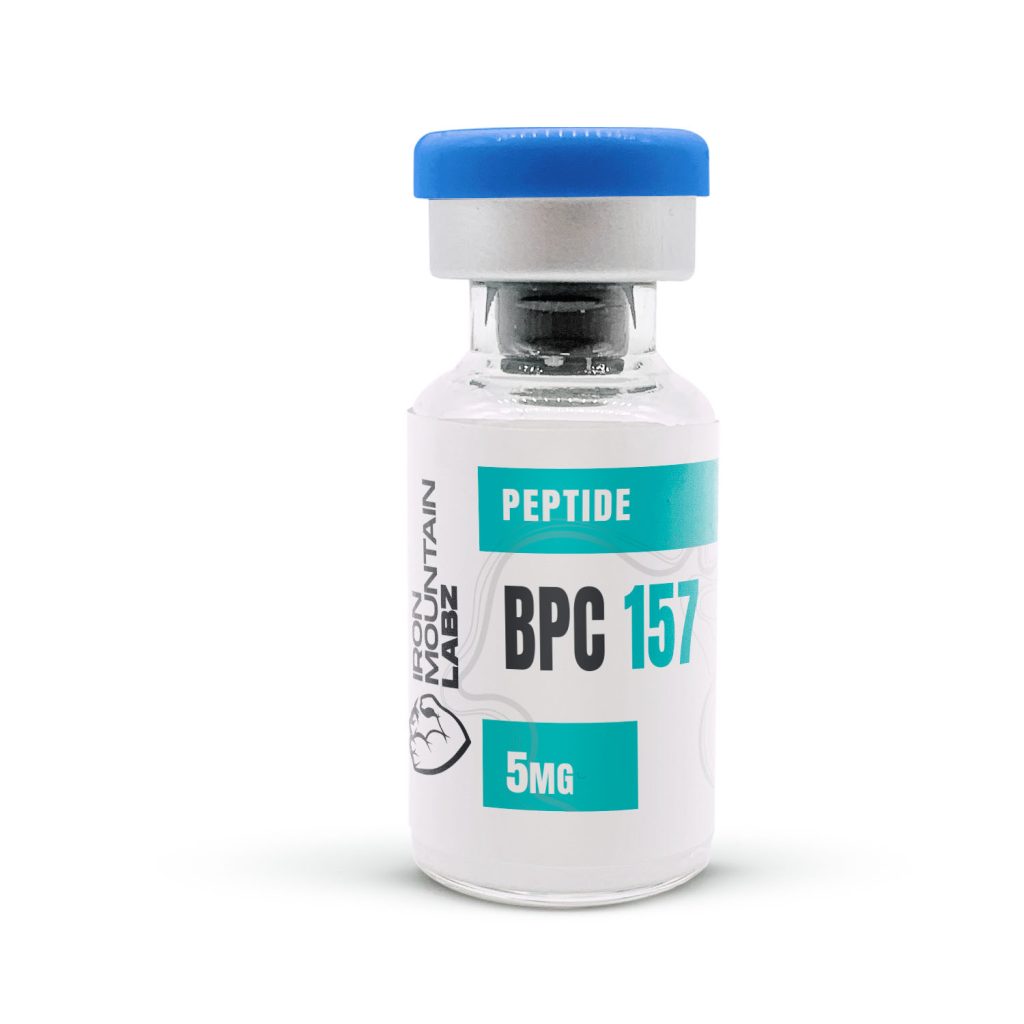
- Lyophilized peptide vial
- Bacteriostatic water, sterile water, or sodium chloride
- Sterile syringe or insulin syringes
- Alcohol swabs, gloves, and a sharps container for safe syringe disposal
Step 2: Sanitize Everything
Use alcohol swabs and always make sure they contain at least 70% isopropyl. Also, always wipe down the rubber stopper on your vial. Remember that even a bit of contamination can compromise peptide integrity.
Step 3: Add Solvent to the Peptide Vial
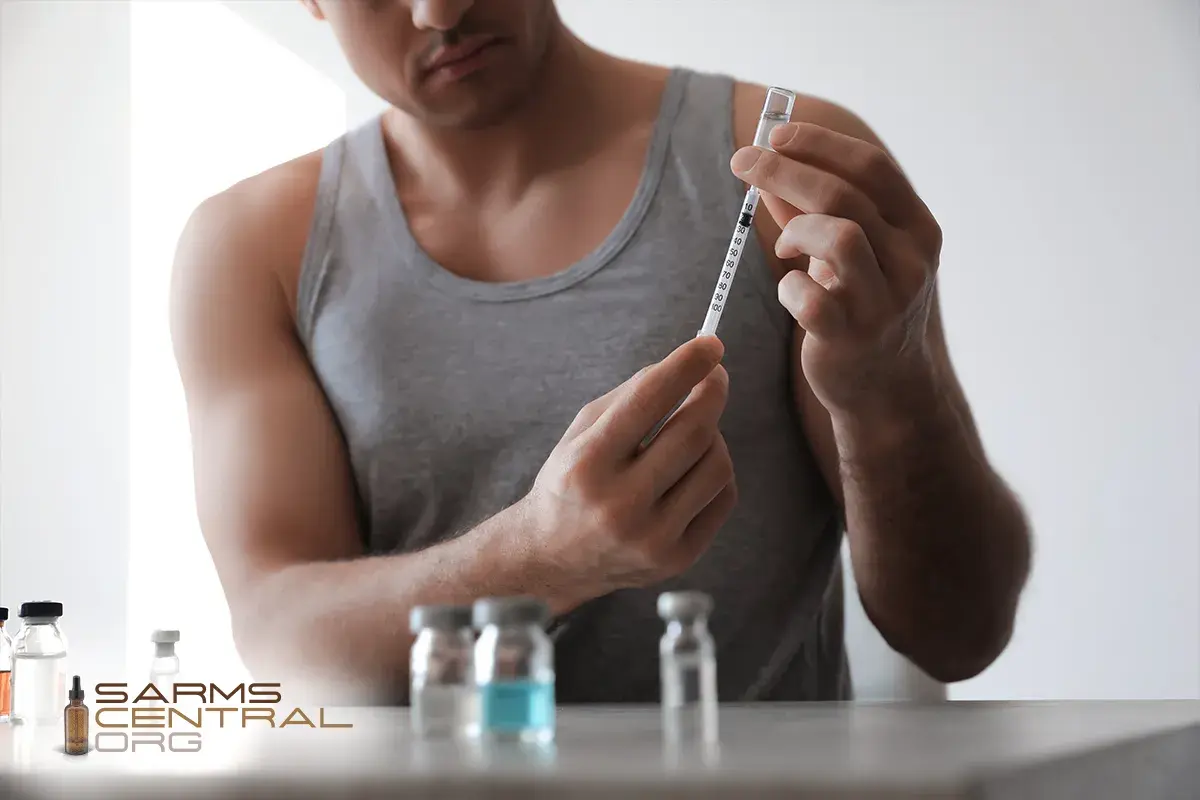
- Grab a sterile syringe and get the exact amount of solvent you need. If you’re unsure, use a peptide calculator to figure out how much is needed.
- Slowly inject the solvent into the vial to minimize foam and prevent peptide denaturation.
- Avoid direct force to protect the peptide structure since it’s delicate.
Step 4: Mix Gently
Always remember not to shake the vial. What you must do is to gently swirl or roll it between your fingers until the peptide powder is completely dissolved.
Best Practice for Reconstituting Peptides
There are some simple best practices you should always stick to and common mistakes you definitely want to avoid. Here’s a quick rundown to help you handle your peptides the right way every time.
- Always use a sterile solvent and clean equipment, and rely on insulin syringes for accurate dosing.
- Prepare solvents under sterile conditions, label all vials with the solvent preparation date, and store your peptides properly.
- Avoid heat, light, and prolonged exposure to room temperature.
- Never use tap water instead of sterile solvent to prevent contamination and degradation.
- Add your solvent gently. Don’t shake the vial aggressively to protect the peptide structure.
- Clean the syringe tip and vial cap before every use to keep everything safe.
Final Tips for Safe and Effective Peptide Use
While there are many precautions to consider, it’s easy to remember. Before you start, make sure you confirm the specific type of peptide you’re working with and follow the recommended procedures. Always use a peptide calculator to get your dose right.
When you’re done, dispose of used syringes properly in a sharps container to avoid accidents. But if you’re using peptides for therapy, it’s important to consult a licensed medical provider to ensure you’re doing it safely.

Find The Best Prices For Peptides
Storage Tips After Reconstitution
Once your peptide is finally reconstituted, it will help you to follow these storage tips for effective preservation:
- Store peptides in the refrigerator (2°C–8°C) if you’re using bacteriostatic water.
- For longer-term storage, freeze them in aliquots to minimize repeated thawing.
- Avoid repeated freeze-thaw cycles to preserve potency.
- Never keep reconstituted peptides at room temperature unless you’re using them immediately.
Conclusion
Proper peptide reconstitution is important for preserving effectiveness and safety throughout your use. So whether you’re working with acidic peptides, cyclic peptides, or other synthetic peptide forms, it’s important to follow the correct steps and seek medical advice for further clarification.
Frequently Asked Questions
What is the best solvent to use for peptide reconstitution?
Bacteriostatic water is usually the go-to for research use, but it still depends. Bacteriostatic water has benzyl alcohol, so it prevents bacterial growth. Sterile water or sodium chloride can also work, especially if the peptide is sensitive.
Can I use tap water to reconstitute peptides?
No. Tap water is not sterile and can ruin your peptide. Always stick with sterile options like bacteriostatic water, sterile water, or sodium chloride to keep your peptide safe and effective for a long time.
How should I store reconstituted peptides?
Keep them in the fridge at 2°C to 8°C immediately after reconstitution. If you need to store them long-term, you may put them in the freezer in small portions (aliquots). Just make sure to avoid temperature changes as they can mess with the peptide’s potency.
What happens if I use the wrong solvent for peptide reconstitution?
A wrong solvent for your peptide may lead to clumping, breakdown, or changes in the peptide structure. This might make your peptide not work properly. That’s why it’s best to verify the correct solvent for your specific peptide.