We, at Sarmscentral, have talked about countless solvents and peptides till now, which can enable receptors and hormones in our body to accelerate and perform amazing things.
From describing lyophilized peptide and protein drugs to explaining Sarms with the capabilities of enhancing hormones such as HGH (Human growth hormone), the one thing missing so far is the core component or ingredient necessary to make that all happen.
That core component is the solvent in which these peptides flourish and maintain their magic along with their shelf lives.
In this article, we will discuss one such pharmaceutical-grade solvent that is commonly used in research and medical contexts to dissolve peptides for injection. We will discuss benefits, side effects, and all there is to know about Bacteriostatic Water. We will also compare it with the other commonly used sterile water and see what pros and cons it has over the latter.
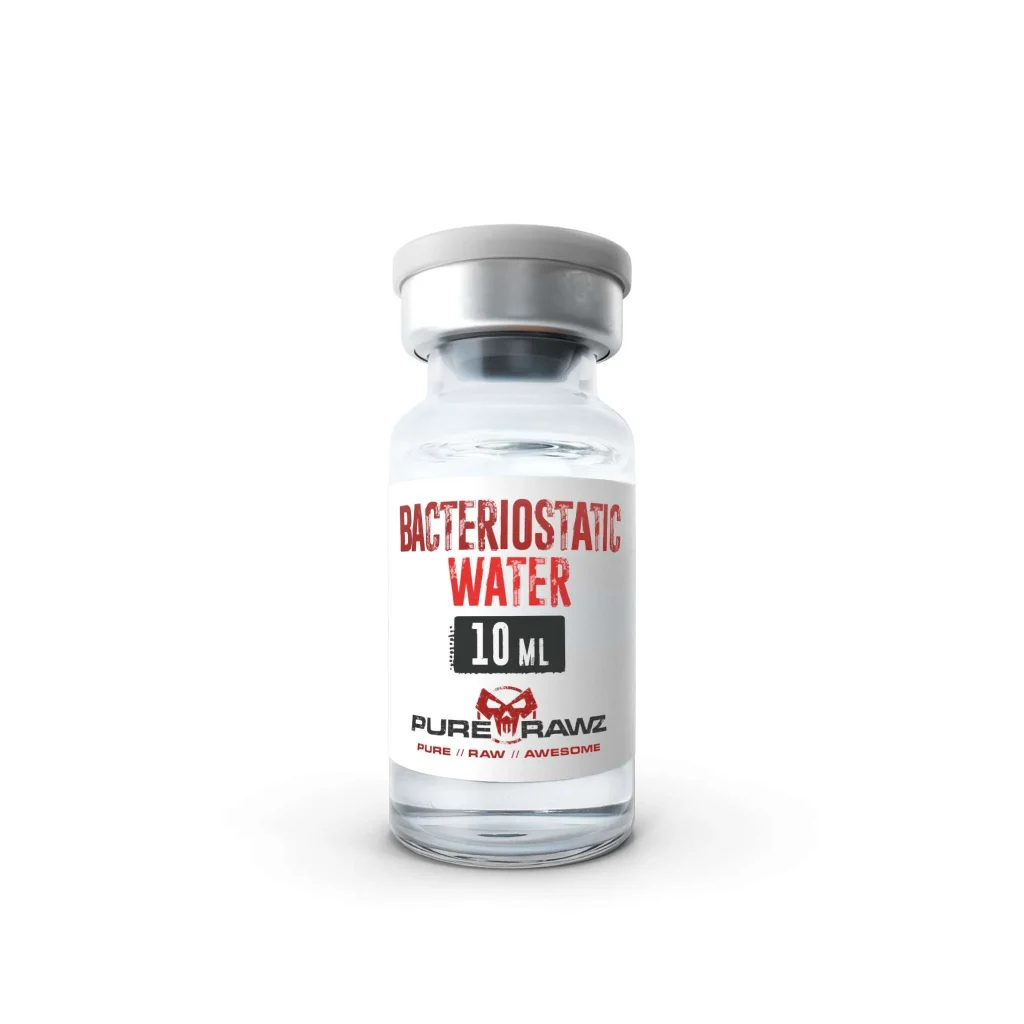
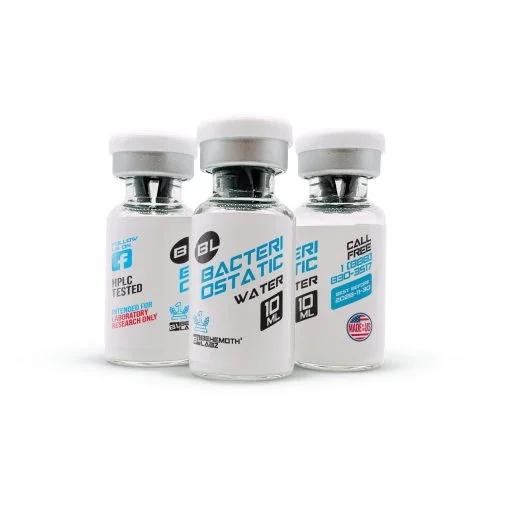
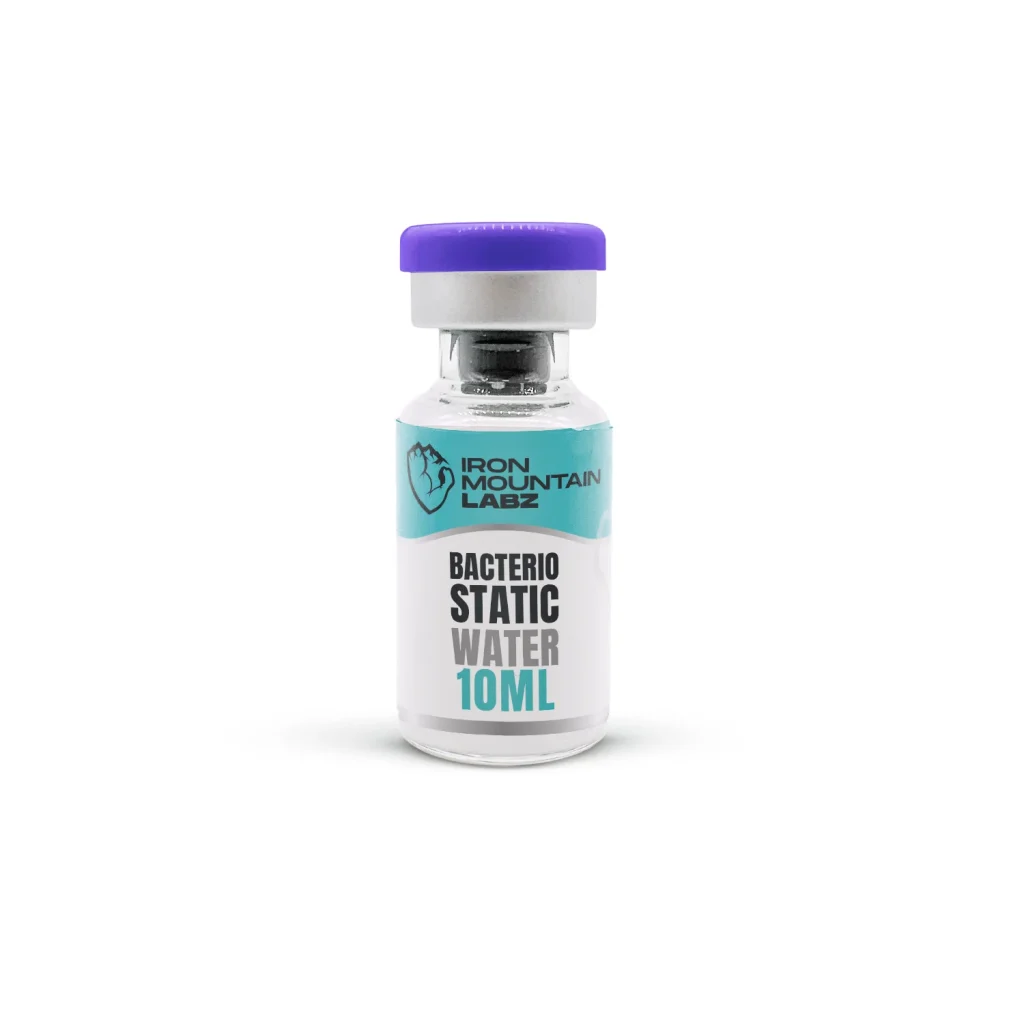
Bacteriostatic Water
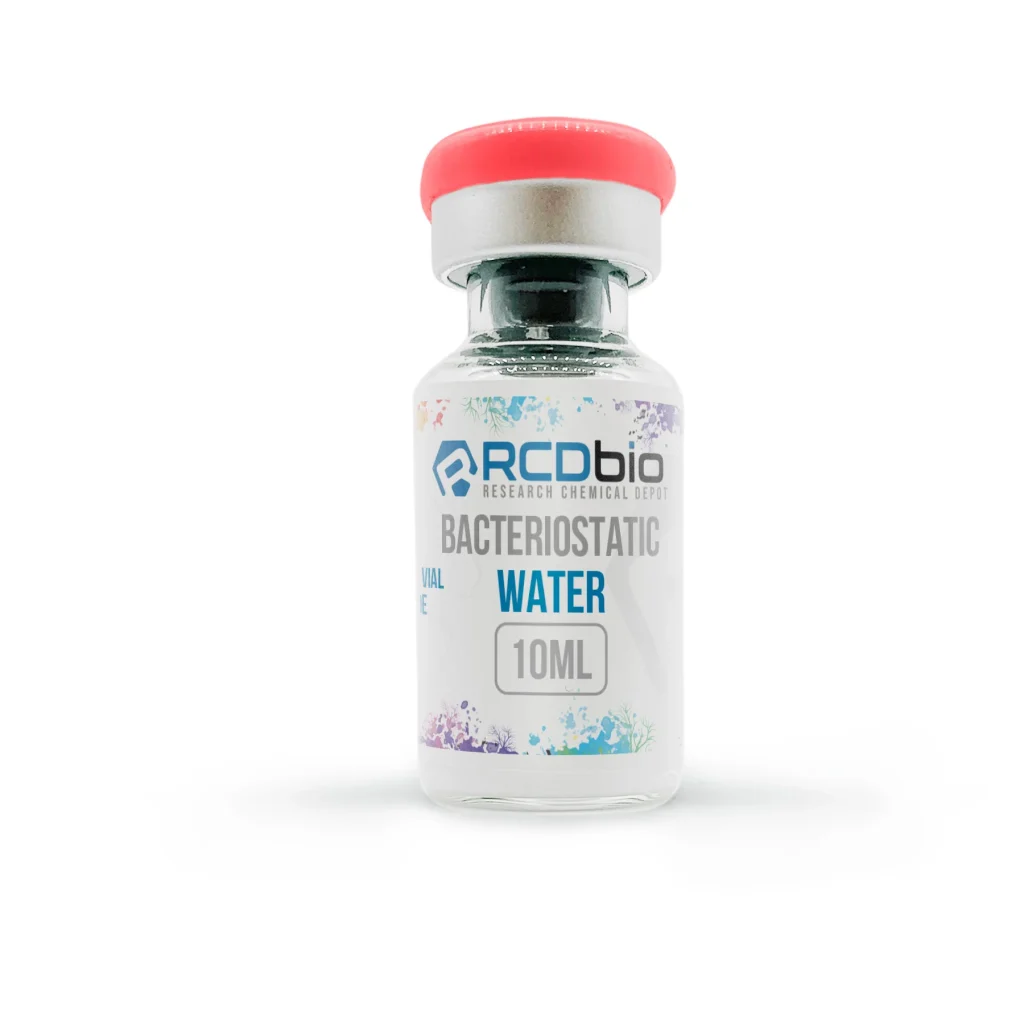
Bacterial water, more commonly referred to as Bacteriostatic Water (in scientific terms), is essentially sterile water that contains a minute amount of benzyl alcohol. This percentage of benzyl alcohol (0.9% to be precise) helps in diluting and dissolving various medications, as benzyl alcohol inhibits the growth of most potentially contaminating bacteria .{R}
Bacteriostatic Water can be used multiple times in intravenous, intramuscular, or subcutaneous injections.
Why Use Bacteriostatic Water for Peptides?
When reconstituting peptides, bacteriostatic water is best for:
- ➢ Peptide Stability – Stops peptides from degrading (when exposed to moisture, heat, or contamination)
- ➢ Multiple Doses from One Vial – Prevents bacterial growth if you need to withdraw more than once.
- ➢ Reduced Risk of Contamination – Safeguards against accidental microbial intrusion.
How Bacteriostatic Water Works
Besides water, benzyl alcohol is the main and key component of this solvent. At 0.9% concentration, benzyl alcohol destroys bacterial cell membranes. This stops bacterial growth and reproduction.
However, it is pertinent to mention that bacteriostatic water does not kill all bacteria instantly. It just prevents them from multiplying. Therefore, it should only be used in already sterile environments.
How to Use Bacteriostatic Water to Reconstitute Peptides
- ➢ Get the essentials ready
- Lyophilized peptide vial
- Bacteriostatic water vial
- Alcohol swabs
- Insulin syringe (or other suitable syringe)
- Lyophilized peptide vial
- ➢ Sanitize Vial Tops
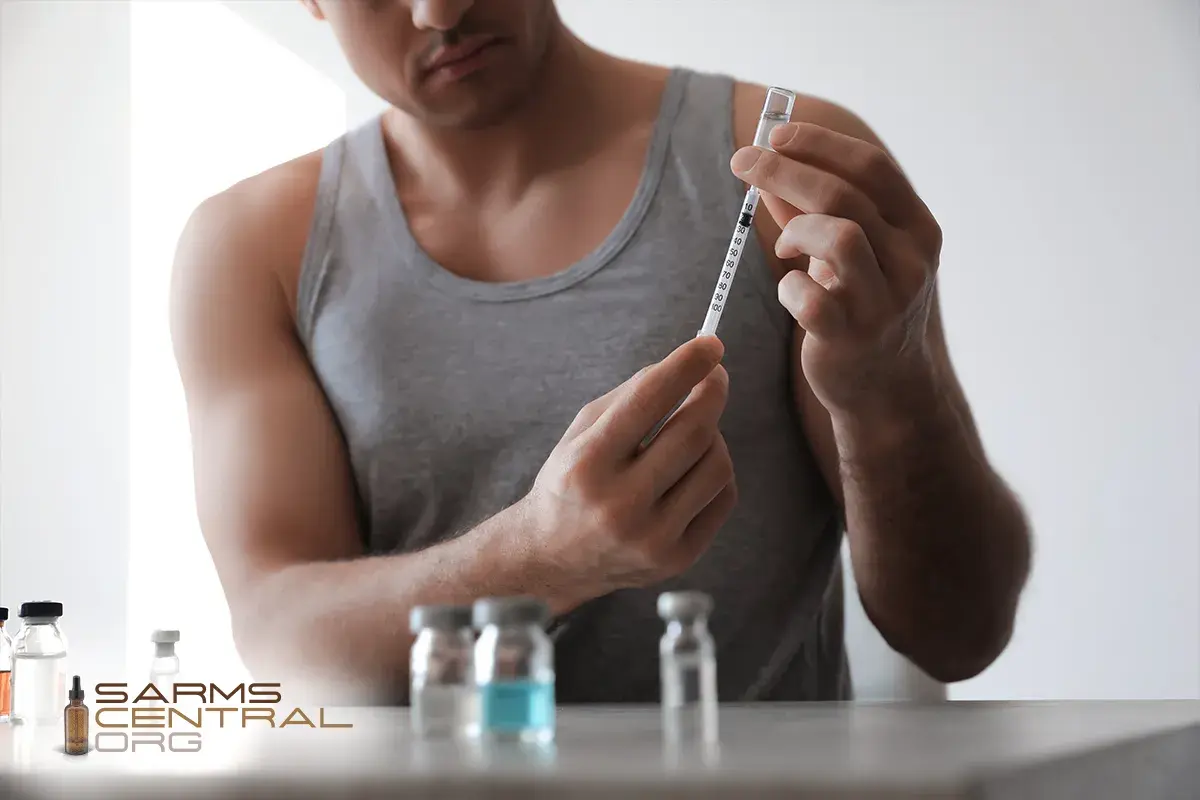
- ➢ Draw Bacteriostatic Water (ensure no large air bubbles remain while withdrawing)
- ➢ Inject into Peptide Vial
- ➢ Mix Gently (Swirl the vial gently / Avoid shaking)
- ➢ Store Properly (refrigerate in 2–8°C)
Dosage Calculation:
If a peptide vial contains 5 mg of peptide and you add 2 mL of bacteriostatic water:
- ➢ Total volume: 2 mL
- ➢ Concentration: 5 mg ÷ 2 mL = 2.5 mg/mL
- ➢ If you need a 250 mcg dose: 0.25 mg ÷ 2.5 mg/mL = 0.1 mL per injection.
Bacteriostatic Water vs. Sterile Water
| Feature | Bacteriostatic Water | Sterile Water |
| Preservative | 0.9% benzyl alcohol | None |
| Shelf Life After Opening | Up to 28 days | Single-use only |
| Best For | Multi-dose vials | Immediate single-use |
| Risk of Bacterial Growth | Low (if handled properly) | Higher if stored after opening |
| Pain on Injection | Slightly more (due to alcohol) | Minimal |
Safety Considerations
Do not use Bacteriostatic water:
- ➢ For Newborns
- ➢ If Contaminated
- ➢ If Expired
- ➢ If the peptide is not compatible
Storage Guidelines
- ➢ Keep bacteriostatic water at 20–25°C (68–77°F) before use
- ➢ Always refrigerate
- ➢ Avoid freezing bacteriostatic water
Side Effects:
Bacteriostatic water, with all its advantages, can still have some side effects. These include:
Allergic Reactions – redness, itching, or swelling at the injection site. {R}
Systemic Reactions – such as fever or difficulty breathing (very rare). {R}
Commonalities between Bacteriostatic and Sterile Water
Both solvents share commonalities in their use within medical and laboratory contexts, primarily related to their sterile nature and applications requiring aseptic conditions. Some of the commonalities include their sterility, injection and medication reconstitution, cell culture work, prevention of contamination, and single usage of vials.
While these commonalities exist, it’s important to note that the key distinction lies in the composition of bacteriostatic water, which includes a bacteriostatic agent (such as benzyl alcohol) to inhibit bacterial growth over a limited period. Sterile water, on the other hand, is water that has been made free from microorganisms but does not necessarily contain additional agents to prevent bacterial growth after reconstitution.
Where to Buy Bacteriostatic and Sterile Water Online?
Pure Rawz is the best place to buy sterile and bacteriostatic water online. They offer extremely competitive pricing. They provide reference materials with every product they sell.
Moreover, their products are safely packaged and come with an independent, third-party-issued Certificate of Analysis for identification, purity, and concentration.
Find The Best Prices For Bacteriostatic Water
Final Thoughts
- ➢ Bacteriostatic water is preferred for peptides. It allows multi-dose use and prevents bacterial growth.
- ➢ It contains 0.9% benzyl alcohol as a preservative.
- ➢ While it improves peptide handling safety, it should still be used under sterile conditions.
- ➢ Always follow proper reconstitution and storage protocols to maintain peptide potency.
FAQs
Q: Can I use bacteriostatic water for all peptides?
Not necessarily. Some peptides are more stable in acetic acid or saline. You have to check the stability guidelines for your specific peptide.
Q: How long do peptides last after mixing with bacteriostatic water?
Most peptides last 2–6 weeks refrigerated.
Q: Is bacteriostatic water safe to inject?
Yes, it is very safe for all intended purposes. However, be sure that you are using it for sterile preparations only.
Q: How much bacteriostatic water to mix with 10 mg of BPC-157?
Like explained in the dosage section above, it is recommended to add 2 mL to 5 mL of bacteriostatic water to a 10 mg vial of BPC-157.
However, we would recommend that you keep the exact dilution based on your prescribed dosage.
Q: How much bacteriostatic water to mix with 10 mg of Tirzepatide?
A popular and simple dilution calculation method is to add 2 mL of bacteriostatic water to a 10 mg vial of Tirzepatide if your intended dosage is 100 units.
Q: Does BAC water need to be refrigerated?
BAC water can be kept away from sunlight at room temperatures when they are not opened. However, once you open them, be sure to always refrigerate it at a temperature of 2°C–8°C.
Q: Can you buy bacteriostatic water over the counter?
It generally depends on your location and its laws. In the U.S., it is often sold without a prescription at some pharmacies or online medical supply stores.
Q: How many times can I use bacteriostatic water?
BAC can be used multiple times from the same vial 0.9% benzyl alcohol in it. Just be sure to use it within a month after the first puncture.